
Creamy Pecorino Cacio e Pepe, King of Easy Pasta Recipes
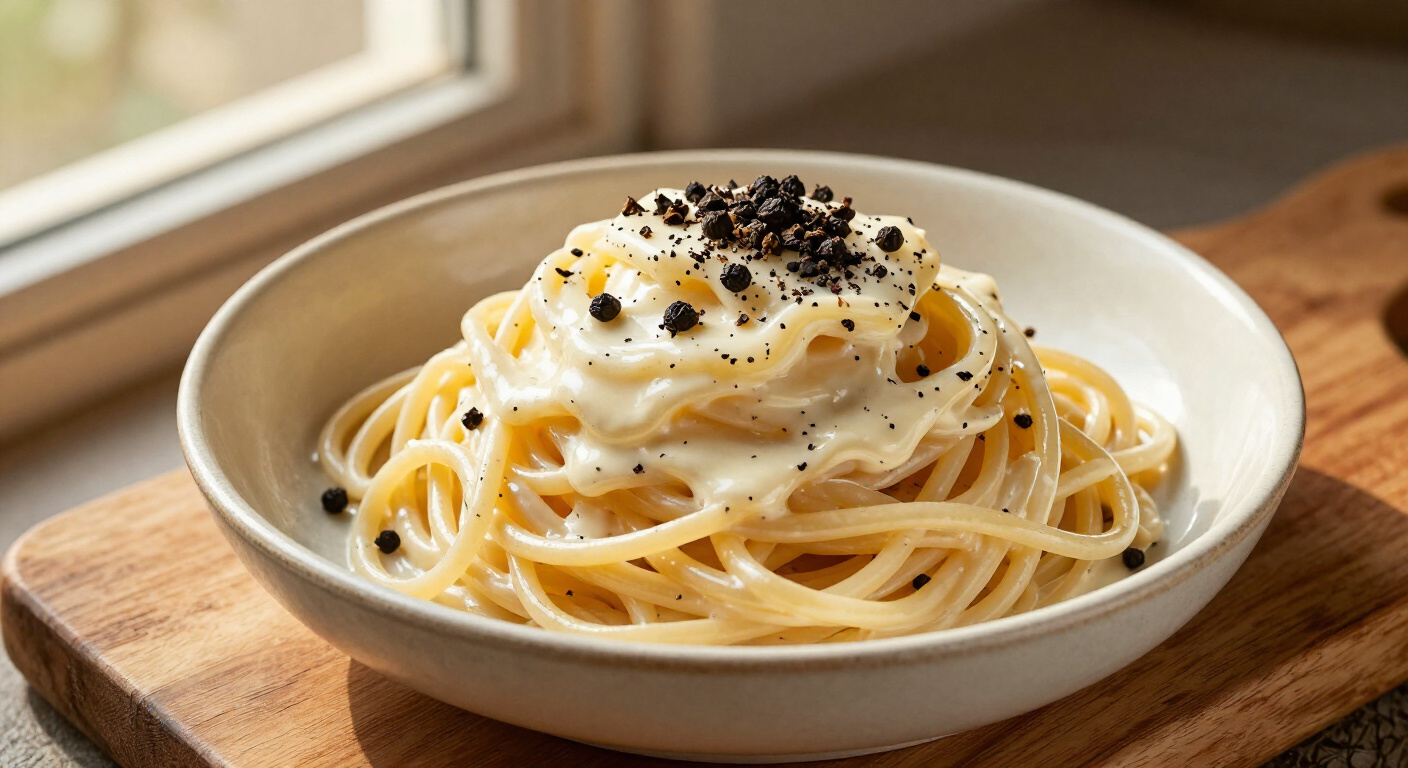
Easy pasta recipes don't get better: glossy, peppery cacio e pepe with velvety Pecorino sauce in 25 minutes. No cream needed. Grab your tongs tonight.
Glossy, peppery spaghetti in velvety cheese sauce hits your bowl in 25 minutes, the creamiest of all easy pasta recipes. No cream, no fuss, just starchy pasta water working magic for any hungry weeknight table.
Whisking the Pecorino into a warm paste before it meets the pan keeps the cheese from seizing into clumps. Toasting the cracked pepper first wakes up its fragrant oils, so every bite tastes bold.
Ingredients You'll Need
Dried Spaghetti: These long, thin rods of durum wheat are the backbone of this dish. Dried spaghetti sheds plenty of starch into a small pot of water, and that cloudy water becomes our sauce. No spaghetti? Grab bucatini or tonnarelli; both hold the glossy coating beautifully.
Pecorino Romano: This is a salty, sharp sheep's milk cheese from Rome. Grated on a Microplane, it turns fluffy as fresh snow and melts into a velvety, tangy sauce. In a pinch, use Parmigiano-Reggiano. It's milder and nuttier, so add a little extra pepper to make up the difference.
Whole Black Peppercorns: These dried berries bring the "pepe" to cacio e pepe. Cracking them coarsely gives you real, fragrant chunks that pop with warm heat in every twirl. Pre-ground pepper will work if that's all you have. Just use a bit less, because it tastes dusty and flat.


How to Make It (Step by Step)
This all happens with one pot and one skillet: boil, toast the pepper, then toss everything into a glossy, peppery sauce.
Even if your cheese sauces always clumped before, you'll get velvety, clingy strands tonight, I promise.

- Fill a big pot with about 3 quarts of water and bring it to a hard boil until big bubbles roll across the whole surface, 8-10 minutes at high heat (212°F / 100°C). Less water means starchier water. That starch is our secret glue.

- Toast the cracked peppercorns in a dry skillet until they smell warm and fragrant, 1-2 minutes at medium heat (350°F / 175°C). Shake the pan often. Your kitchen should smell like a trattoria.

- Drop the spaghetti into the boiling water and cook until tender but still firm to the bite, 8-10 minutes at a rolling boil (212°F / 100°C). Stir in the first minute so nothing sticks. Pull it a minute early.

- Ladle about 1 cup of the cloudy pasta water into the pepper skillet and simmer until it bubbles gently, about 1 minute at medium heat (300°F / 150°C). Save another cup of that liquid gold in a mug.

- Whisk the fluffy grated Pecorino with a splash of warm pasta water in a bowl until it turns into a smooth, thick paste, 1-2 minutes at warm, not boiling (140°F / 60°C). Hot water makes clumps. Warm water makes velvet.

- Lift the spaghetti with tongs straight into the skillet and toss until every piece glistens with peppery water, 1-2 minutes at medium-low heat (250°F / 120°C). Don't drain it. A little drip is good.

- Pull the pan off the heat, add the cheese paste and toss hard until a glossy, creamy sauce clings to every strand, 1-2 minutes at off-heat warmth (150°F / 65°C). Too thick? Splash in more saved water. Keep tossing.

- Twirl the pasta into warm bowls with your tongs until each one holds a tall, glossy nest, about 1 minute while it's still hot (150°F / 65°C). Serve right now. My husband always gets the first twirl.

Leftovers keep two days chilled and don't freeze well, so reheat gently with a splash of water. Swap in Parmesan if Pecorino's missing, grate it hours ahead, and never add cheese over high heat.
Serving size: 1 portion · Calories: 480 · Total Fat: 12g · Saturated Fat: 7g · Carbs: 66g · Fiber: 3g · Sugar: 2g · Protein: 23g · Sodium: 640mg
Tips and Tricks
- Equipment: Grab a wide 12-inch skillet and long tongs. A wide pan gives the spaghetti room to tumble, so the sauce coats every strand evenly. Tongs let you lift pasta straight from the pot, dripping with that precious starchy water. Forty years in, I still won't toss with anything else.

- Temperature precision: Keep your paste water at 140°F. Boiling water shocks the Pecorino into rubbery lumps. Water around 140°F (60°C) melts it into a smooth, thick paste. Let your ladled pasta water sit a minute before whisking. It should feel hot, not scalding.
- Common mistake: Dumping all the cheese in at once. A big pile of dry Pecorino hits the pan and seizes on the spot. Whisk it into that warm paste first, then add it all together. One smooth paste means no stringy clumps on the tongs.
- Flavour upgrade: Finish with a pinch of lemon zest. A whisper of fresh zest over each bowl brightens the salty, peppery sauce. It's optional, but it makes the Pecorino taste even sharper and fresher. My husband pretends he doesn't notice, then asks for more.
- Texture tip: Toss hard and fast, off the heat. Vigorous tossing whips the starch and cheese into a glossy, velvety emulsion. If it tightens up, splash in your saved mug of pasta water. Keep moving until the sauce clings like silk.

Frequently Asked Questions
Can I make this cacio e pepe gluten-free without the sauce turning gummy?
Swap in 12 ounces of brown rice or corn-quinoa spaghetti, and cook it in the same 3 quarts of water so it stays extra starchy. Gluten-free pasta goes soft fast, so pull it 2 minutes early and save 1½ cups of pasta water for loosening the sauce.
Can I grate the Pecorino and toast the pepper days before dinner?
Yes, keep grated Pecorino airtight in the fridge up to 5 days or frozen up to 2 months, and store toasted pepper in a sealed jar for a week. Thaw the cheese overnight in the fridge, then whisk it with warm 140°F pasta water so it melts smooth.
Why did my cheese turn stringy and clumpy, and can I save it?
Your skillet was too hot, so the Pecorino proteins seized; pull the pan off the burner, let it cool 30 seconds, then toss hard while adding saved pasta water a tablespoon at a time. Stop when the clumps melt into a glossy sauce that coats every strand without pooling.
What to Serve With This
- Lemony Arugula Salad: Peppery greens in a sharp lemon dressing cut right through all that rich, salty Pecorino.
- Blistered Cherry Tomatoes: Their sweet, juicy bursts brighten every creamy, peppery twirl like a little Brooklyn sunshine.
- Garlicky Sautéed Broccolini: Tender-crisp stalks with a squeeze of lemon add snap against the velvety spaghetti.
- Shaved Fennel and Orange Salad: Crunchy, juicy, and fragrant, it wakes your mouth up between big cheesy bites.

Creamy Pecorino Cacio e Pepe, King of Easy Pasta Recipes
Dinner / Italian
- Prep
- 10 min
- Cook
- 15 min
- Total
- 25 min
- Servings
- 4
- Calories
- 480 kcal
Ingredients
- 12 ounces dried spaghetti
- 2 cups Pecorino Romano (about 5 ounces), finely grated on a Microplane, fluffy as fresh snow
- 2 teaspoons whole black peppercorns, coarsely cracked so you see real, fragrant chunks
Instructions
- Fill a big pot with about 3 quarts of water and bring it to a hard boil until big bubbles roll across the whole surface, 8-10 minutes at high heat (212°F / 100°C). Less water means starchier water. That starch is our secret glue.
- Toast the cracked peppercorns in a dry skillet until they smell warm and fragrant, 1-2 minutes at medium heat (350°F / 175°C). Shake the pan often. Your kitchen should smell like a trattoria.
- Drop the spaghetti into the boiling water and cook until tender but still firm to the bite, 8-10 minutes at a rolling boil (212°F / 100°C). Stir in the first minute so nothing sticks. Pull it a minute early.
- Ladle about 1 cup of the cloudy pasta water into the pepper skillet and simmer until it bubbles gently, about 1 minute at medium heat (300°F / 150°C). Save another cup of that liquid gold in a mug.
- Whisk the fluffy grated Pecorino with a splash of warm pasta water in a bowl until it turns into a smooth, thick paste, 1-2 minutes at warm, not boiling (140°F / 60°C). Hot water makes clumps. Warm water makes velvet.
- Lift the spaghetti with tongs straight into the skillet and toss until every piece glistens with peppery water, 1-2 minutes at medium-low heat (250°F / 120°C). Don't drain it. A little drip is good.
- Pull the pan off the heat, add the cheese paste and toss hard until a glossy, creamy sauce clings to every strand, 1-2 minutes at off-heat warmth (150°F / 65°C). Too thick? Splash in more saved water. Keep tossing.
- Twirl the pasta into warm bowls with your tongs until each one holds a tall, glossy nest, about 1 minute while it's still hot (150°F / 65°C). Serve right now. My husband always gets the first twirl.
Share this article
About the author
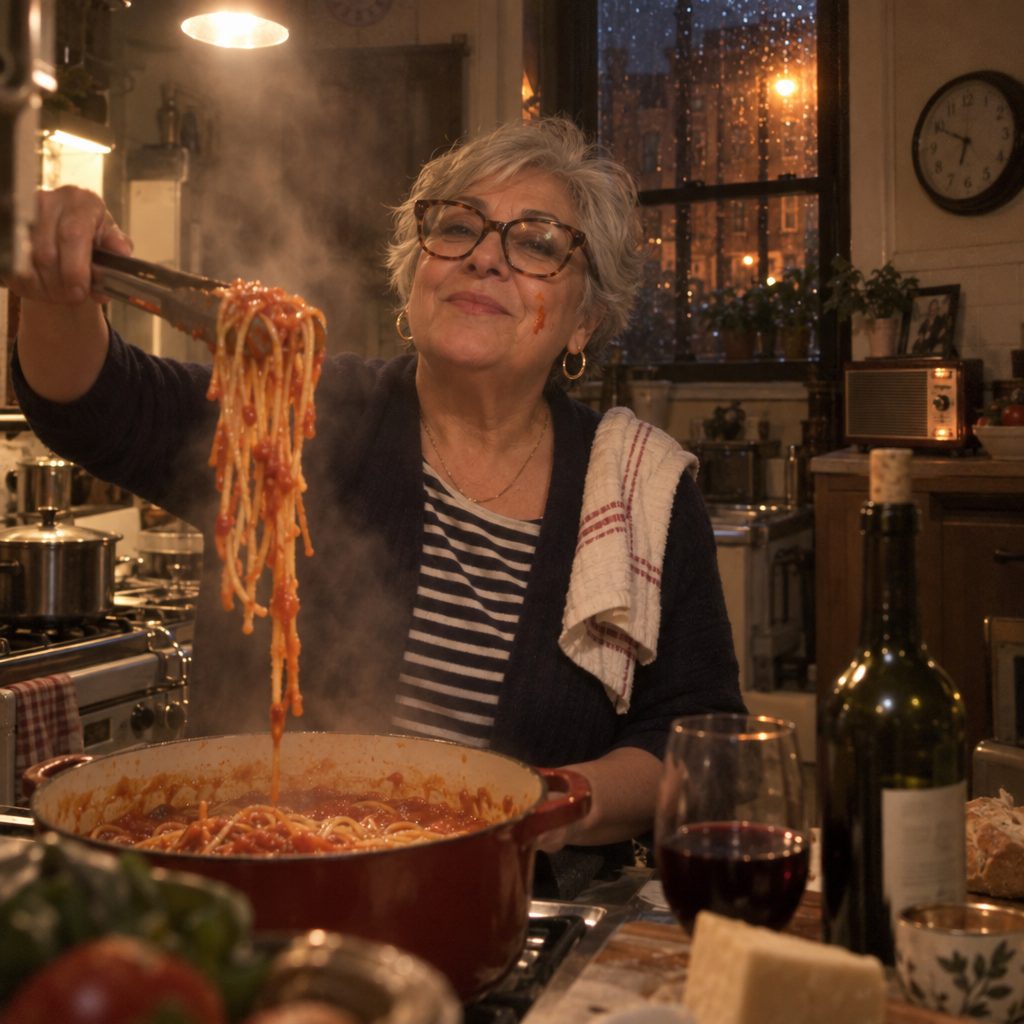
Rosa Caruso
Rosa has fed this Brooklyn kitchen for forty years, through two funerals, three weddings and one flood. Her husband still sits at the counter every night waiting for the first twirl off the tongs, and she still loves him for it. She cooks pasta the way she loves: loudly, generously and without apology.