How to Make Ricotta Cheese at Home in 30 Minutes
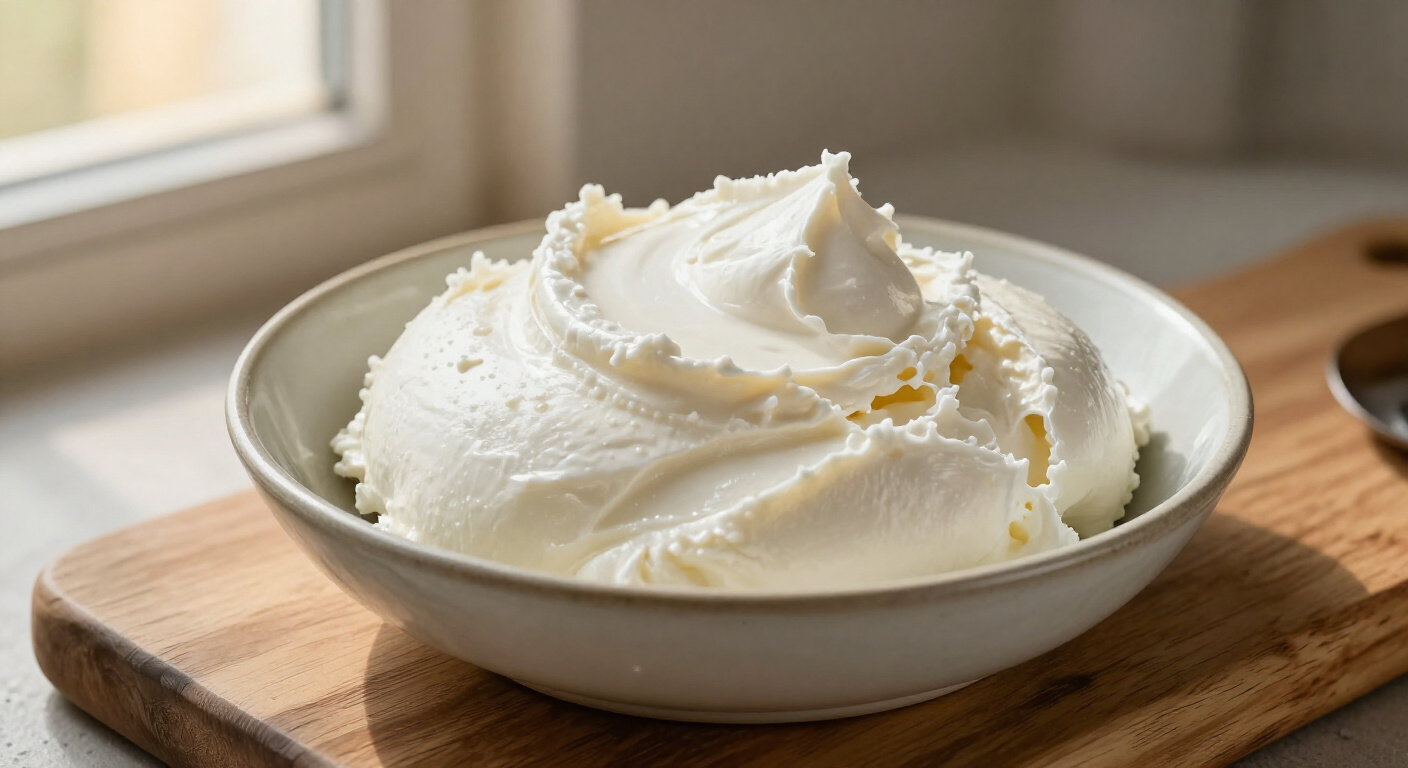
How to make ricotta cheese in 45 minutes with warm, creamy curds from just milk, cream and lemon juice. Get the easy homemade recipe now.
Watch snowy curds float up in warm, sweet-smelling milk, and you'll know how to make ricotta cheese at home. In about 45 minutes you'll have spoonable, velvety ricotta from one heavy pot and a little patience. Make it on a lazy Sunday, spoon it over warm bread, and watch the whole table come back for seconds.
Why This Recipe Works
• Lemon juice does the curdling: Its acid lowers the milk's pH, so milk proteins clump into curds without any rennet.
• Take the pot off heat first: Adding acid off the burner stops the milk from scorching and lets curds form gently.
• Heavy cream keeps curds tender: The extra fat softens the texture, so the ricotta stays rich rather than grainy.
• Double cheesecloth controls moisture and texture: Two layers catch the finest curds while whey drips freely, so you control the final thickness.
Ingredients You'll Need
Whole Milk: This is the base of everything, and it gives your ricotta its sweet, creamy flavor. Choose whole milk that isn't ultra-pasteurized, because that extra heat can weaken the curds. Low-fat milk works in a pinch, but the ricotta will be lighter and yield less.
Heavy Cream: Heavy cream adds the fat that keeps your curds soft and rich instead of grainy. That one cup is what turns good ricotta into truly luscious ricotta. Half-and-half is a fair swap, though the finished cheese will come out a little thinner.
Fine Sea Salt: Half a teaspoon seasons the milk from the start, so every spoonful tastes bright, not flat. Fine salt dissolves quickly and evenly into warm milk. Fine table salt works just as well at the same amount.
Fresh Lemon Juice: Three tablespoons of lemon juice is the acid that makes the milk clump into curds. Strain it first so no seeds or pulp end up in your pot. Fresh white vinegar can stand in at the same amount, though it tastes a bit sharper.


Ingredients You'll Need
Warm the milk and cream, let the lemon juice coax out the curds, then drain and whisk them into velvety ricotta. Even if you've never made cheese before, you'll nail it on the first try, I promise.

- Warm the whole milk, heavy cream and fine sea salt in a heavy pot over medium heat, stirring now and then, until small bubbles cling to the edges, 5-7 minutes at 190°F / 88°C. Keep it under a rolling boil.

- Turn off the heat and gently stir in the strained lemon juice until the milk turns cloudy and tiny curds begin to form, about 30 seconds at 180°F / 82°C.

- Let the pot sit undisturbed until soft white curds float in pale greenish whey, about 10 minutes at 150°F / 66°C.

- Ladle the curds into a fine mesh strainer lined with a double layer of cheesecloth, set over a bowl, until whey begins dripping steadily, 1-2 minutes at 70°F / 21°C.

- Let the curds drain until they look thick and spoonable, 8-10 minutes at 70°F / 21°C.

- Scoop the drained ricotta into a clean bowl and whisk until velvety smooth, 20-30 seconds at 70°F / 21°C.

Recipe Notes
• Storage: Keep it covered in the fridge for up to 4 days. It freezes for about 2 months but thaws slightly grainy. Let it come to room temperature, or warm it for 10 seconds in the microwave.
• Key substitution: No heavy cream? Use 1 cup whole milk plus 3 tablespoons melted unsalted butter. The ricotta turns out a little lighter but still lush and spoonable.
• Make-ahead tip: Strain your lemons up to a day early and chill the juice. Set out your strainer and cheesecloth the night before so you can move fast.
• Common mistake: Squeezing the cheesecloth bundle hard makes ricotta dense and gritty. Let gravity do the work and scoop it out while it's still soft.
Serving size: 1 portion · Calories: 170 · Total Fat: 12g · Saturated Fat: 7g · Carbs: 8g · Fiber: 0g · Sugar: 7g · Protein: 8g · Sodium: 120mg
Tips and Tricks
- Equipment: Reach for a heavy-bottomed pot: A thick base spreads heat evenly. The milk warms gently and won't scorch on the bottom.

- Temperature precision: Stop at 190°F / 88°C: Watch your thermometer closely. Keep the milk under a rolling boil, or the cream can scorch and turn bitter.
- Common mistake: Stirring after the curds form: Vigorous stirring breaks soft curds into fine grit. Once they appear, leave the pot alone so they can float up and firm.
- Flavour upgrade: Add a pinch of lemon zest: Zest the lemon before you juice it. Stir a little into the finished ricotta for a bright, fragrant lift. Totally optional, but so good on warm bread.
- Texture tip: Stop draining at spoonable: Pull the cloth off once the curds look thick and spoonable. Then whisk briefly for a silky, creamy finish that isn't dry.

Frequently Asked Questions
Can I use bottled lemon juice or white vinegar instead of fresh lemon juice?
Yes, use 3 tablespoons bottled lemon juice or 2 tablespoons white vinegar in place of fresh lemon juice. Vinegar gives a slightly sharper, less bright flavor, but the curds form just as well.
Can I drain the curds overnight in the fridge for thicker ricotta?
Yes, cover the lined strainer and refrigerate it for 2 to 4 hours, or up to 12 hours at most, for a firmer texture. Whisk the drained ricotta smooth before serving.
Why didn't my milk curdle after I stirred in the lemon juice?
Ultra-pasteurized milk often resists curdling, so check the carton before you begin. If the milk stays thin after the 10-minute rest, stir in one more tablespoon of lemon juice and wait 5 minutes for soft white curds to float in pale greenish whey.
What to Serve With This
- Lemon Arugula Salad: Peppery greens tossed in sharp lemon vinaigrette cut right through the cheese's creamy richness.
- Charred Asparagus: Blistered spears with a squeeze of lemon add a smoky snap that plays against the velvety ricotta.
- Quick Pickled Red Onions: Sharp, sweet-tart rings bring the bright acid this rich cheese loves.
- Toasted Sourdough Crostini: Crackly, golden-brown rounds give a crunchy base for soft, spoonable cheese.

How to Make Ricotta Cheese at Home in 30 Minutes
Breakfast / Italian
- Prep
- 30 min
- Cook
- 15 min
- Total
- 45 min
- Servings
- 6
- Calories
- 170 kcal
Ingredients
- 4 cups whole milk, preferably not ultra-pasteurized
- 1 cup heavy cream
- ½ teaspoon fine sea salt
- 3 tablespoons fresh lemon juice, from about 1 lemon, strained
Instructions
- Warm the whole milk, heavy cream and fine sea salt in a heavy pot over medium heat, stirring now and then, until small bubbles cling to the edges, 5-7 minutes at 190°F / 88°C. Keep it under a rolling boil.
- Turn off the heat and gently stir in the strained lemon juice until the milk turns cloudy and tiny curds begin to form, about 30 seconds at 180°F / 82°C.
- Let the pot sit undisturbed until soft white curds float in pale greenish whey, about 10 minutes at 150°F / 66°C.
- Ladle the curds into a fine mesh strainer lined with a double layer of cheesecloth, set over a bowl, until whey begins dripping steadily, 1-2 minutes at 70°F / 21°C.
- Let the curds drain until they look thick and spoonable, 8-10 minutes at 70°F / 21°C.
- Scoop the drained ricotta into a clean bowl and whisk until velvety smooth, 20-30 seconds at 70°F / 21°C.
Share this article
About the author

Rosa Caruso
Rosa has fed this Brooklyn kitchen for forty years, through two funerals, three weddings and one flood. Her husband still sits at the counter every night waiting for the first twirl off the tongs, and she still loves him for it. She cooks pasta the way she loves: loudly, generously and without apology.