Creamy Garden Vegetable Pasta Primavera Recipe With Penne
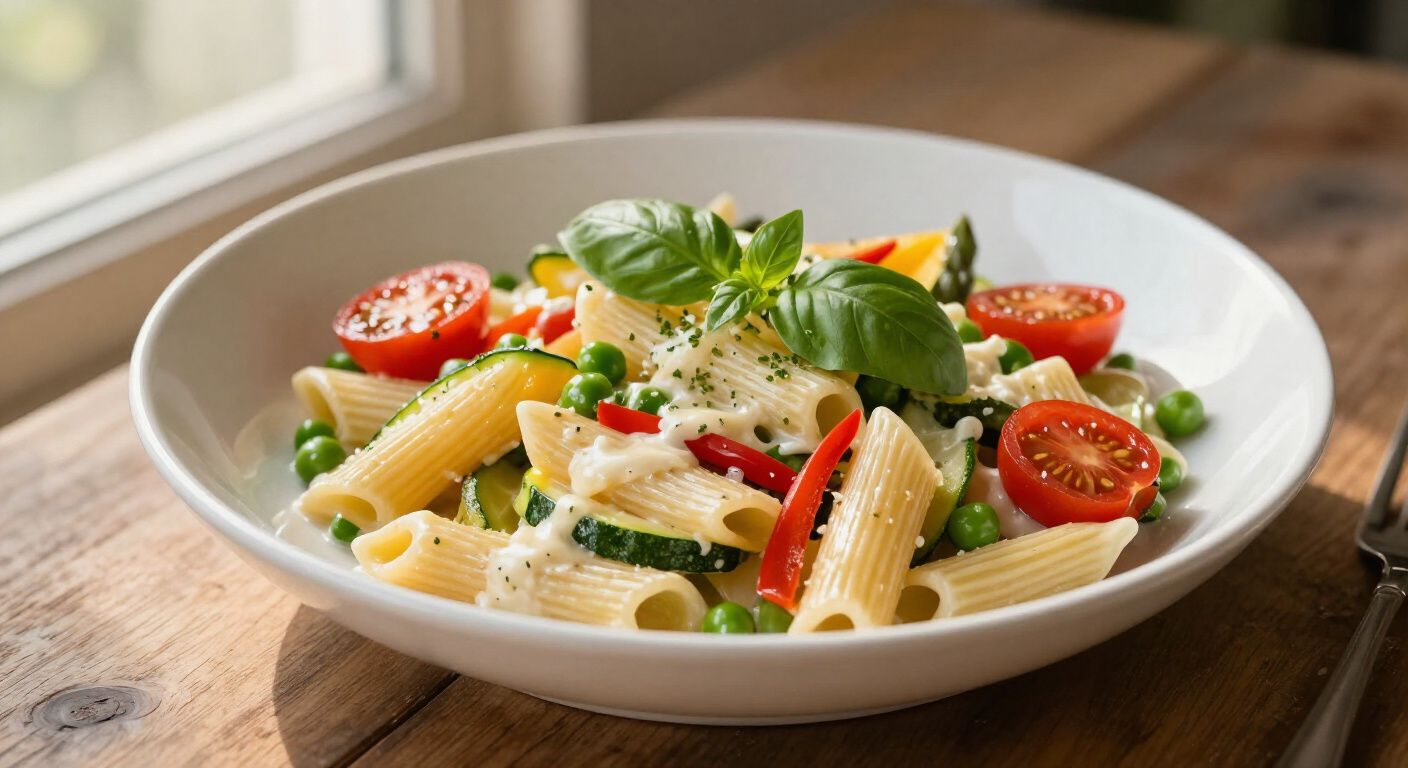
Pasta primavera recipe with silky cream, crisp garden vegetables and penne, on the table in 35 minutes. Grab your fork and dig in tonight!
Garlic sizzles, the kitchen smells like spring, and this pasta primavera recipe is ready in 35 minutes. Silky cream clings to every penne while the vegetables stay bright and crisp. Make it on a busy weeknight, or for a crowd.
Why This Recipe Works
• Salt boiling water until it tastes like sea: Salt seasons the penne from the inside as it absorbs water. The pasta is flavorful before any sauce touches it.
• Blister tomatoes to concentrate their sweetness: Heat drives off water from the halved tomatoes and caramelizes their sugars at the cut edges. The blistered skins split and release juices that mingle with the cream.
• Gentle simmer thickens cream without breaking: Cream is mostly fat and water, and slow reduction evaporates the water to concentrate the sauce. Boiling hard can split the emulsion and leave it grainy.
• Low heat keeps Parmesan smooth and clump-free: Parmesan proteins tighten and seize when overheated, turning gritty. Tossing the cheese in over low heat melts it evenly into the sauce.
Ingredients You'll Need
Penne pasta: Penne is a short tube pasta with diagonal cut ends that trap cream and tiny bits of vegetable. Those ridges are why the sauce clings instead of sliding off your fork. Rigatoni or fusilli makes a good swap if you can't find penne.
Zucchini: Zucchini is a tender green summer squash with a mild, fresh flavor. Cut into thin half-moons, it softens quickly and picks up golden edges. Extra zucchini or yellow squash works in a pinch.
Yellow squash: Yellow squash is zucchini's sunny cousin, with a slightly sweeter taste. Its thin half-moons add color that makes the pan look like a spring garden. Use one more zucchini if you don't have it.
Red bell pepper: Red bell pepper brings sweetness and a satisfying crunch. Thin strips soften at the edges but keep their shape. Orange or yellow bell pepper works if you want a milder color.
Cherry tomatoes: Halved cherry tomatoes blister in the hot pan and release sweet juice into the sauce. They bring a bright, slightly tangy note that balances the cream. Grape tomatoes are a great swap, halved the same way.
Asparagus: Asparagus adds grassy flavor and a snappy bite. Cut into 2-inch pieces, the tips and stalks cook at about the same rate. Green beans trimmed to similar lengths are the best stand-in.
Frozen peas: Peas add little pops of sweetness and a tender bite. Thaw them first so they warm quickly without turning mushy. Edamame or sugar snap peas are a fresh alternative.
Extra-virgin olive oil: Olive oil coats the vegetables, keeps them from sticking, and helps them brown evenly. Its fruity flavor carries through the finished dish. Avocado oil is a neutral swap if you want less flavor from the oil.
Garlic: Minced garlic turns sweet and fragrant in the oil in under a minute. It burns fast, so keep it moving and watch it closely. Garlic powder can stand in during a rushed weeknight, though fresh is far better.
Unsalted butter: Butter adds silky richness and helps the cream turn smooth. Choosing unsalted lets you control the salt in the sauce. Extra olive oil works as a substitute, though you'll lose some buttery richness.
Heavy cream: Heavy cream makes the sauce velvety enough to coat the back of a spoon. Its high fat content resists splitting when you simmer gently. Half-and-half works, but it reduces more slowly and gives a lighter sauce.
Parmesan cheese: Freshly grated Parmesan adds nutty, salty depth and helps thicken the sauce. Grate it fine so it melts in instead of clumping. Pecorino Romano is a sharper swap, so use a little less.
Fresh basil: Torn basil leaves release a sweet, peppery perfume right at the end. Tearing keeps the edges from bruising and turning dark. Flat-leaf parsley is the best substitute, though it lacks basil's sweet scent.
Kosher salt: Kosher salt seasons the pasta water and the finished sauce. Its large flakes are easy to pinch and dissolve cleanly. Fine sea salt works too, so use a little less and taste as you go.
Black pepper: Freshly ground black pepper adds a warm, sharp bite that wakes up the cream. Grind it right before adding so the aroma stays strong. White pepper is a milder swap if you prefer a cleaner look.


How to Make It (Step by Step)
Penne boils while the vegetables sizzle in a skillet, then everything tosses together in silky cream and Parmesan. Even if you've never simmered cream before, you'll nail it, and the whole kitchen will smell glorious.

- Bring a large pot of salted water to a rolling boil until big bubbles break across the surface, 6-8 minutes at 212°F / 100°C. Keep the lid off so it boils steadily.

- Cook the penne until just tender with a slight bite, 11-12 minutes at 212°F / 100°C. Drain well in a colander and set aside.

- Sauté the zucchini, yellow squash, red pepper and asparagus in 2 tablespoons olive oil until crisp-tender with lightly browned edges, 4-5 minutes at 375°F / 190°C. Keep them moving so they brown evenly.

- Push the vegetables to one side, add the minced garlic and 1 tablespoon olive oil, and cook until fragrant and pale gold, 30-60 seconds at 375°F / 190°C. Watch it closely, because garlic burns fast.

- Stir in the halved cherry tomatoes and thawed peas, cooking until the tomatoes soften and their skins blister, 2-3 minutes at 375°F / 190°C. The kitchen should smell sweet and bright right now.

- Lower the heat, stir in the butter and heavy cream, and simmer until the sauce coats the back of a spoon, 3-4 minutes at 325°F / 165°C. Do not let it boil hard.

- Add the drained penne, ½ cup grated Parmesan, torn basil, 1 teaspoon kosher salt and ½ teaspoon black pepper. Toss until every piece is coated, 1-2 minutes at 325°F / 165°C. Taste and add more salt if you like.

Recipe Notes
• Storage: Keep leftovers in an airtight container in the fridge for up to three days. Freezing isn't ideal, since the cream can turn grainy. Reheat in a skillet over medium-low heat with a splash of cream, stirring gently until velvety again.
• Key substitution: No heavy cream on hand? Half-and-half works beautifully. Simmer it a minute or two longer so it still clings to every penne.
• Make-ahead tip: Chop the zucchini, yellow squash, red pepper and asparagus up to a day early. Store each vegetable in its own container with a damp paper towel. Tear the basil and grate the Parmesan just before cooking.
• Common mistake: The big mistake is crowding the skillet, which steams the vegetables instead of browning them. Cook in two batches if needed, because those golden edges carry the flavor.
Serving size: 1 portion · Calories: 410 · Total Fat: 18g · Saturated Fat: 9g · Carbs: 50g · Fiber: 5g · Sugar: 7g · Protein: 14g · Sodium: 620mg
Tips and Tricks
- Equipment: Use a wide stainless skillet: Sloped sides let you toss the vegetables and penne together without spilling a single piece. A 12-inch pan is perfect.

- Temperature precision: Drop the heat before the cream: Lower the pan from 375°F / 190°C to 325°F / 165°C before the butter goes in. Cream scorches fast on a hot pan, so this step protects your sauce.
- Common mistake: Letting the garlic scorch: Garlic goes from pale gold to bitter in seconds. If it darkens, pull the pan off the heat right away and keep stirring.
- Flavour upgrade: Finish with lemon zest: Grate a little lemon zest over the top just before serving. It brightens the cream and makes the spring vegetables pop.
- Texture tip: Save a splash of pasta water: Reserve half a cup of the cooking water before you drain the penne. A splash in the sauce helps it cling, giving you a glossy, velvety finish.

Frequently Asked Questions
Can I make this pasta primavera gluten-free or dairy-free without losing its creamy texture?
Use 12 ounces gluten-free penne, cooking it about 1 minute less than the package directs. For dairy-free, swap the cream for ½ cup full-fat canned coconut milk, the butter for 2 tablespoons vegan butter, and the Parmesan for 3 tablespoons nutritional yeast.
Can I cook the penne ahead and store it separately from the sauce?
Yes, toss the drained penne with a teaspoon of olive oil and refrigerate it up to two days. Reheat it in boiling water for 60 seconds, drain, then toss with warm sauce.
Why does my penne turn sticky and clump together after tossing?
Clumping happens when starch is not loosened, so save about half a cup of pasta water before draining. Add it a few tablespoons at a time over low heat until the sauce looks glossy and each piece slides apart.
What to Serve With This
- Lemony Arugula Salad: Peppery greens tossed in sharp lemon vinaigrette cut straight through the rich cream. Trust me, you'll want a forkful after every bite.
- Cucumber and Red Onion Salad: Cold, crisp cucumber slices and tangy red wine vinegar wake up every creamy twirl of penne.
- Crusty Italian Bread: A crackly crust and chewy crumb give you something to tear and dunk after the silky pasta.
- White Bean Salad with Lemon and Parsley: Tender beans and fresh parsley bring a zesty snap that balances the richness of the sauce.

Creamy Garden Vegetable Pasta Primavera Recipe With Penne
Dinner / Italian
- Prep
- 15 min
- Cook
- 20 min
- Total
- 35 min
- Servings
- 4
- Calories
- 410 kcal
Ingredients
- 12 ounces penne pasta
- 1 medium zucchini, cut into thin half-moons
- 1 medium yellow squash, cut into thin half-moons
- 1 red bell pepper, cut into thin strips
- 1 cup cherry tomatoes, halved
- 6 asparagus spears, trimmed and cut into 2-inch pieces
- 1 cup frozen peas, thawed
- 3 tablespoons extra-virgin olive oil
- 3 cloves garlic, minced
- 2 tablespoons unsalted butter
- ½ cup heavy cream
- ½ cup freshly grated Parmesan cheese, plus more for serving
- ¼ cup fresh basil leaves, torn
- 1 teaspoon kosher salt, plus more to taste
- ½ teaspoon freshly ground black pepper
Instructions
- Bring a large pot of salted water to a rolling boil until big bubbles break across the surface, 6-8 minutes at 212°F / 100°C. Keep the lid off so it boils steadily.
- Cook the penne until just tender with a slight bite, 11-12 minutes at 212°F / 100°C. Drain well in a colander and set aside.
- Sauté the zucchini, yellow squash, red pepper and asparagus in 2 tablespoons olive oil until crisp-tender with lightly browned edges, 4-5 minutes at 375°F / 190°C. Keep them moving so they brown evenly.
- Push the vegetables to one side, add the minced garlic and 1 tablespoon olive oil, and cook until fragrant and pale gold, 30-60 seconds at 375°F / 190°C. Watch it closely, because garlic burns fast.
- Stir in the halved cherry tomatoes and thawed peas, cooking until the tomatoes soften and their skins blister, 2-3 minutes at 375°F / 190°C. The kitchen should smell sweet and bright right now.
- Lower the heat, stir in the butter and heavy cream, and simmer until the sauce coats the back of a spoon, 3-4 minutes at 325°F / 165°C. Do not let it boil hard.
- Add the drained penne, ½ cup grated Parmesan, torn basil, 1 teaspoon kosher salt and ½ teaspoon black pepper. Toss until every piece is coated, 1-2 minutes at 325°F / 165°C. Taste and add more salt if you like.
Share this article
About the author
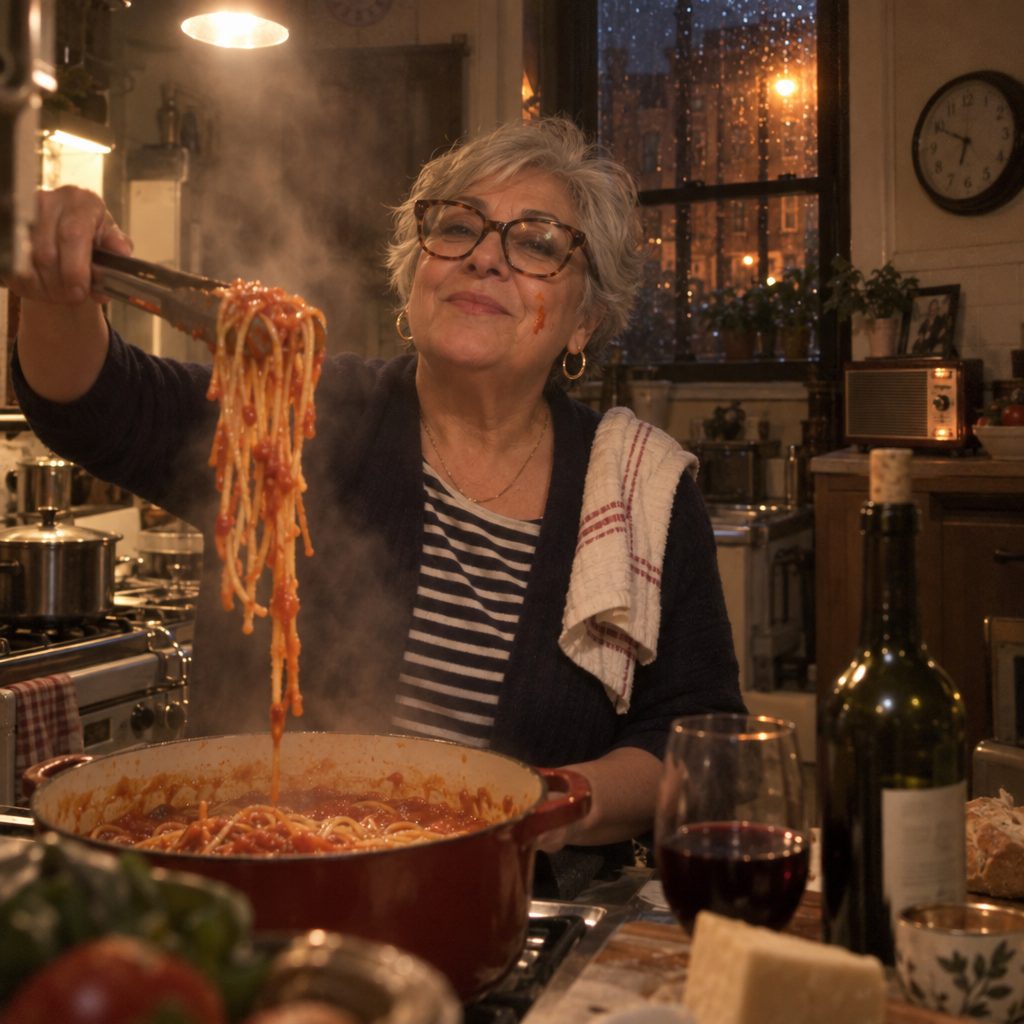
Rosa Caruso
Rosa has fed this Brooklyn kitchen for forty years, through two funerals, three weddings and one flood. Her husband still sits at the counter every night waiting for the first twirl off the tongs, and she still loves him for it. She cooks pasta the way she loves: loudly, generously and without apology.